Z
.jpg)
MA skincare
Over the coming weeks, this journal will explore dry skin beyond products alone; considering how gut health, hormonal change, stress, nervous system balance, and sleep all shape the skin barrier. Rather than offering quick fixes, these pieces aim to build a deeper, more contextual understanding as to why dry skin develops and how it can be supported over time.
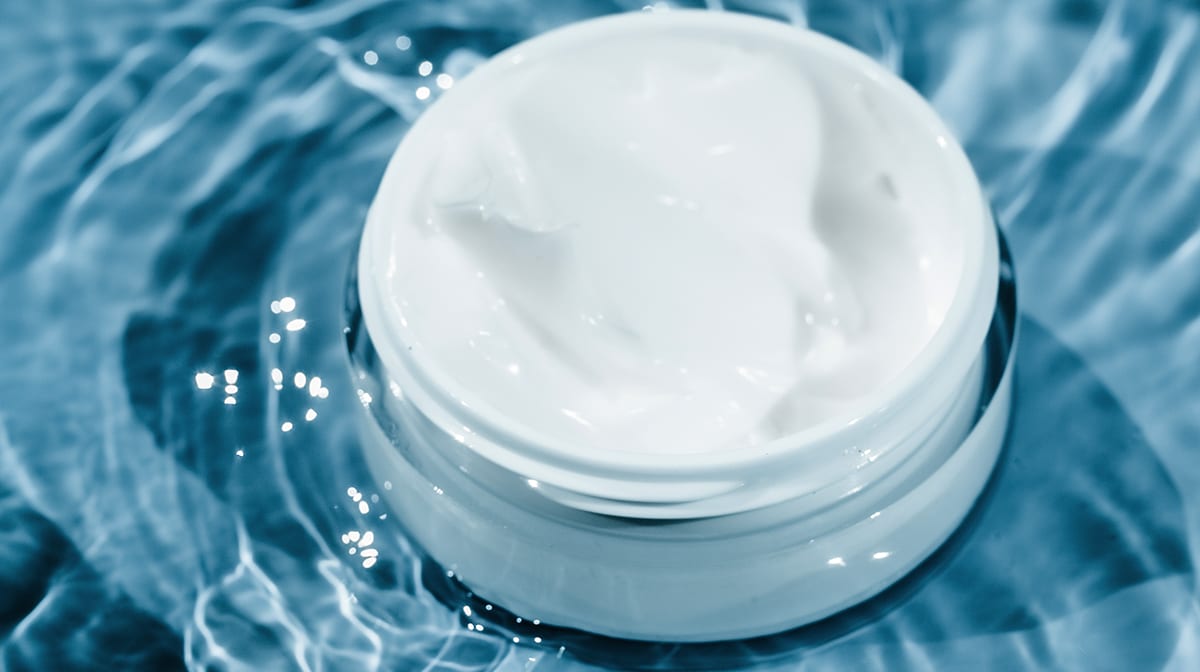
Dry skin is commonly approached as a surface level problem, treated primarily with moisturisers and topical products. While these can be helpful, they often address the outcome rather than the underlying context in which dryness develops.
The skin barrier exists within a highly interconnected body system, influenced by factors such as digestion, hormones, stress, sleep, and overall inflammatory balance. Viewing dry skin through this wider lens allows for a more considered understanding; one that looks beyond isolated symptoms and towards supporting skin health in the context of the body as a whole.
One area receiving growing attention is the relationship between the gut and the skin. Research exploring the gut/skin axis suggests that digestive health, microbial balance, and systemic inflammation may influence skin barrier integrity and reactivity. While this connection is complex and still evolving, it highlights the idea that skin symptoms can sometimes reflect processes occurring deeper within the body, rather than issues limited to the skin’s surface.
Hormonal fluctuations also play an important role in how the skin behaves. Across the menstrual cycle, shifts in oestrogen and progesterone can influence lipid production, barrier recovery, and sensitivity. For many individuals, periods of increased dryness or irritation align closely with specific hormonal phases, yet these patterns are often overlooked in conventional skincare advice.
Skin sensitivity and dryness also change with age. Overtime, the skin’s ability to produce lipids, retain moisture, and repair the barrier gradually declines, while cellular turnover slows. These changes can increase susceptibility to irritation and dryness, even in individuals who previously had resilient skin. As a result, skincare approaches that once felt effective may no longer be appropriate, emphasising the importance of adapting care in line with the skin’s changing structure and function rather than relying on static routines.
Stress and nervous system regulation form another key part of the picture. Chronic stress elevates cortisol, a hormone known to impair barrier repair, which can indirectly contribute to trans epidermal water loss. Nervous system dysregulation can also heighten inflammation, itch, and reactivity, particularly in those prone to dry or eczema-like skin conditions.
Sleep plays a quieter but equally essential role. Much of the skin’s repair and regeneration occurs during rest, and even short-term sleep disruption has been shown to affect barrier recovery and immune balance. Persistent dryness can therefore reflect not only what is applied to the skin, but how effectively the body is able to recover overnight.
